OCTOBER 2026


After a parched summer, this autumn now feels like a second spring as plants that have lain dormant for several months have burst forward with a freshness more akin to 6/7 months earlier.
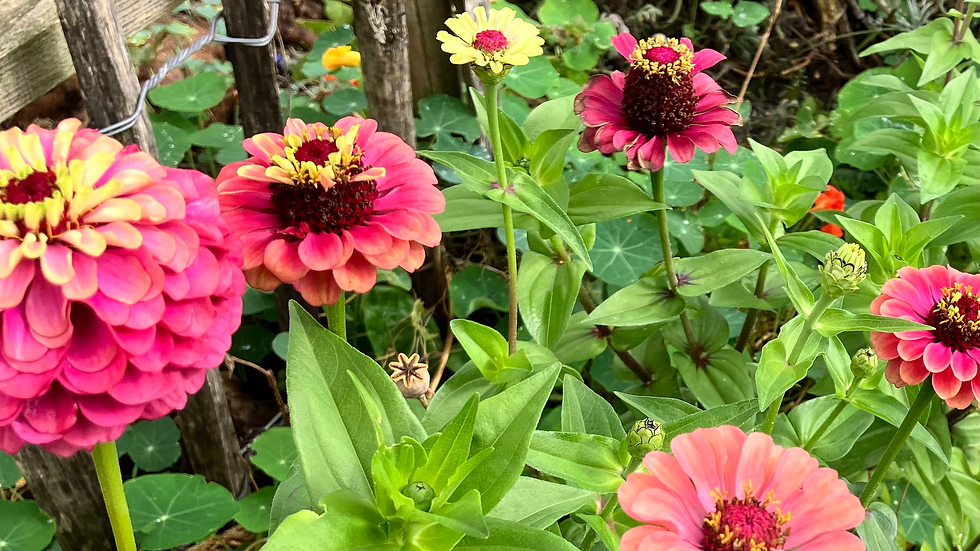
The week just gone has seen the beginning of our fourth year of garden courses with Boo leading the way teaching cut flowers. We were lucky that the flowering plants came back in time to give us a plentiful resource on the day.


The garden has recovered well, but thoughts move to next year and ensuring the plants are able to cope well enough with the conditions they may have to endure. Therefore this week we begin the process of relocating some of the hydrangeas from their current location.
Hydrangeas like a rich moist soil, one that allows excess moisture to drain but supplies them with constant moisture as they grow. Here at Blackbrook the bedrock sits fairly high meaning that when the soil is exposed to the sun for a long time it dries out fully and dries like concrete. For this reason we are moving the hydrangeas to a spot where they will be dusted and mulched regularly with leaf mould, and they are shaded from the worst of the sun. They will also sit on a piece of ground neighbouring a natural seam of moisture as water from underground springs finds its way down the hillside. The eventual hope is that this will enable the plants to essentially become self-sufficient.

When transplanted each plant will be lifted with a large rootball, the tops shortened to prevent water loss and stimulate new growth. They will then be placed into planting holes full of organic matter from the composts, a base feed of mixed fertiliser, and then drenched to settle the roots and give them a good start.
The area from where they are to be moved will then be partially landscaped to increase the lawn area or we may plant it with a collection of sun loving herbaceous plants. There is a wonderful mix of tulip bulbs in this area so it will be interesting to see how they naturalise with a new group of plants.

The Hydrangea Bed is one of the first established parts of the garden, and this will be the first major change to this part of the garden. However it is a change that is now needed, and we look forward to seeing how all of the plants adapt to their new environments.


Comments