APRIL 2026
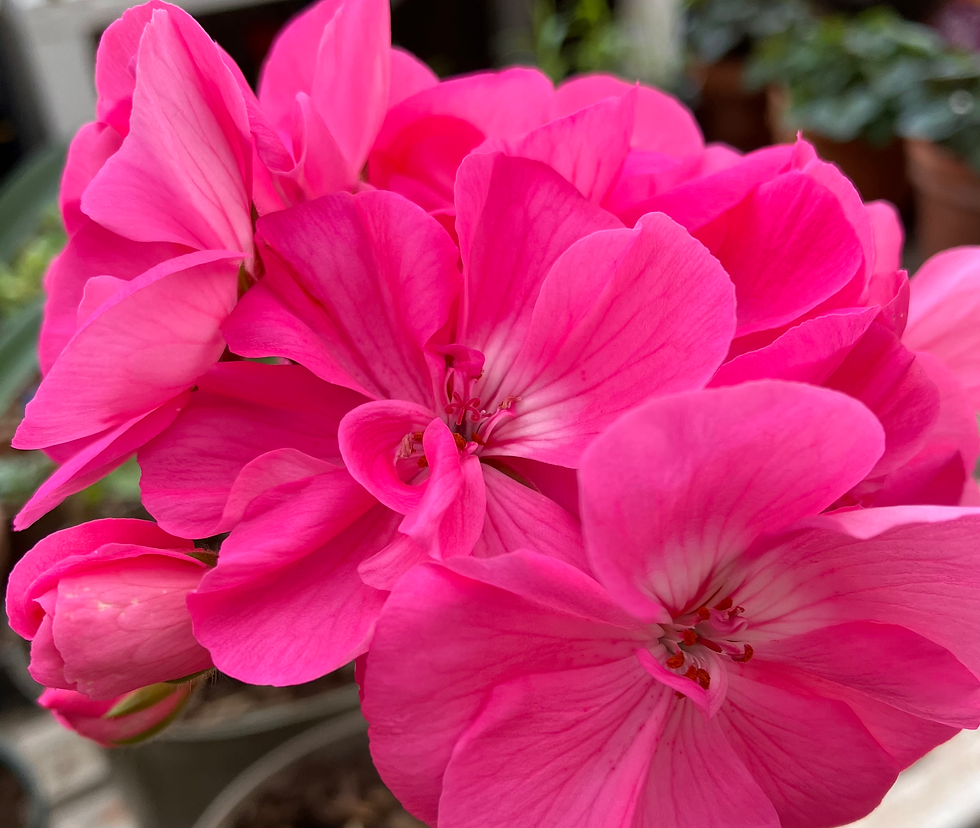
The start of the year sees the flushes of colour from early flowers such as snowdrops and daffodils, with the emerging foliage of plants helping to create an optimistic tone. However it is in April that the blousier flowers begin to emerge en masse. If you love your tulips then this is a wonderful time of the year.

Flowers in this month will often utilise those pioneer insects such as bumblebees to help them pollinate, and dandelions are a useful source of pollen; these combined factors often lead to an explosion of yellow in April.
Plants may reproduce clonally in many ways but should plants want to ‘shuffle’ their genetic material with another or produce a large number of offspring quickly then flowers are their starting means of doing this.

Flowers come in many shapes, which have usually evolved to benefit their chosen method of pollination; wind-pollinated flowers tend to be open to allow the pollen to be readily dispersed and they carry a large quantity of pollen, think for example of hazel catkins; white evening scented flowers tend to favour night flying moths and in some cases bats; trumpet shaped flowers require something with a large proboscis such as a butterfly or beak and tongue such as a hummingbird.
Some flowers have UV patterns visible to insects directing them to pollen stores, others employ mimicry to entice their pollinators.
Scent is often used by plants and can be a pleasant feature, but should the plant favour flies as pollinators it can also be fairly rancid and reminiscent of rotting flesh!
Colour is the property that we often notice, and plants employ a multitude to capture interest and advertise their pollen.
Plants use physical methods too, from rain splash on flower surfaces to imprisoning visiting insects; pitcher plants for example, have downward facing hairs inside their flowers entrapping insects, and these only wither once the male stamens have shed their pollen over the insects to allow them to transport it to other pitcher flowers.

Plant flowers are there to help facilitate pollination in turn leading to fertilisation, and plants choose to arrange their flowers in different ways; some such as holly trees have male plants and female plants; conifers generally have male flowers and female flowers separately on the same plant; many such as tulips have hermaphrodite flowers with both female and male parts together in the same flower.

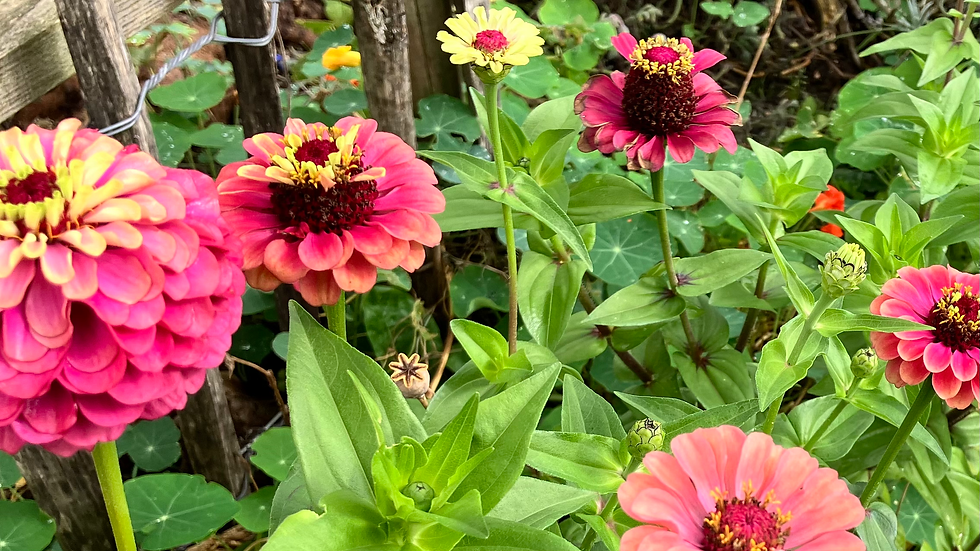
Many other plants such as strawberries have many flowers held together in what we regard as one flower with surrounding petals: a composite flower. This is an efficient strategy that allows many flowers to benefit without having to expend as much production on ‘advertising’. This is most evident when strawberries grow into a contorted/shrivelled form as this is due to the individual tiny flowers not all being successfully fertilised, and hence the fruit and seeds fail to develop in these areas.
Taking a typical hermaphrodite flower there are male parts - the Anthers- that hold the pollen, and female parts - the Carpel - to which the pollen is transferred enabling fertilisation to take place, and seeds to be grown ready to become the next generation of plants.

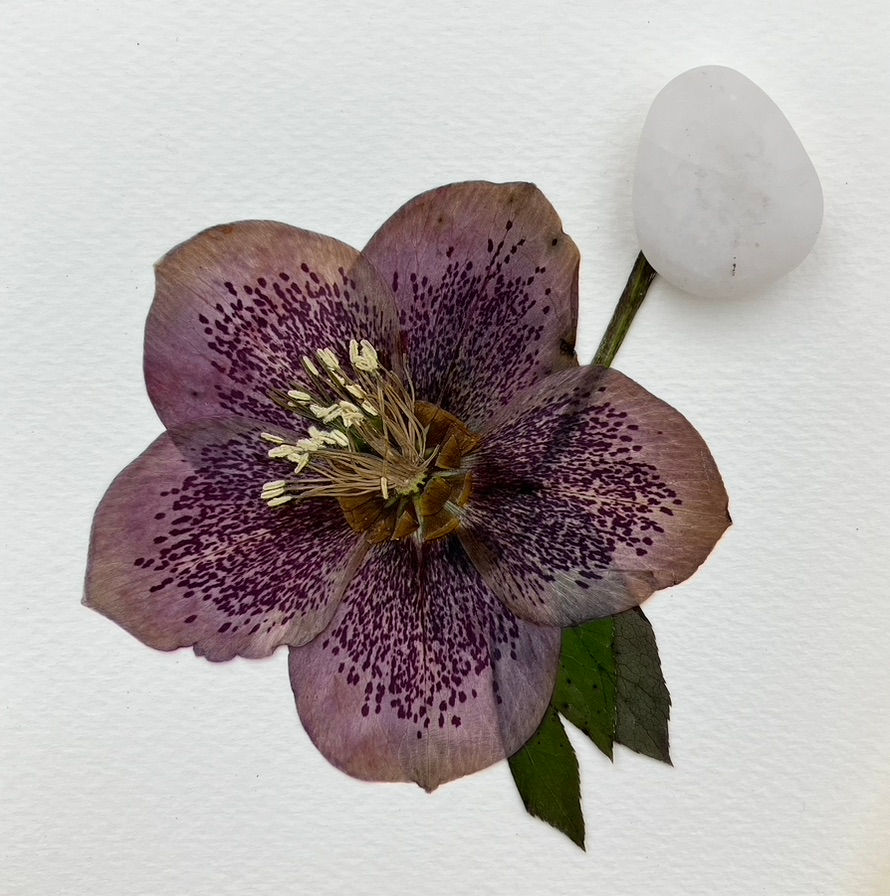
Flowers are an important and ever interesting subject in the garden. For a closer look at their forms and structures we have a Flower Pressing course on 6th May 2026. As I write we have just three spots left.


Comments